

Sell Land Online in TN | Agent Guide
How to Sell Land in Tennessee
Selling land in Tennessee is straightforward once you understand your options. Whether you own a few acres of farm ground, a wooded parcel, or a larger tract, the process comes down to three core steps: price it right, get it in front of potential buyers, and handle the paperwork correctly.
Most sellers start by deciding whether to work with an agent or go it alone. Hiring an agent means paying a commission, typically 5-6% of the sale price, but you gain professional marketing support. Going the for-sale-by-owner (FSBO) route saves that cost, though it puts more responsibility on you to find potential buyers yourself.
Online listings are now the most effective way to reach potential buyers quickly. Platforms like Zillow (free for FSBO sellers), LandWatch, and Land.com attract active land shoppers every day. Good photos matter more than most sellers expect. Clear, well-lit images of your acreage, including any access roads, water features, or tree cover, dramatically increase interest.
It is also a good idea to gather your property documents early. Know your boundary lines, zoning classification, and any easements before the first buyer calls. Having that information ready keeps conversations moving and builds trust. Understanding the closing costs involved, including Tennessee's transfer tax and deed recording fees, helps you set realistic expectations from the start. The sections below walk you through everything you need to know.
Land Buyers in TN: Background and Context

Tennessee's land market is diverse. From the rolling hills of Middle Tennessee to the mountains of the East and the flat agricultural stretches of the West, each region attracts a different type of buyer. Understanding who is likely to purchase your specific parcel helps you position it correctly from the beginning.
Land buyers in Tennessee generally fall into a few broad categories. Farmers and agricultural operators look for productive soil, water access, and workable acreage. Hunters and outdoor enthusiasts want timber, wildlife habitat, and privacy. Developers and investors seek parcels near growing communities with favorable zoning. Knowing which group fits your property helps you emphasize the right features in your listing and reach the right audience.
The real estate landscape for vacant land is meaningfully different from residential real estate. Home sales follow a relatively predictable process supported by mortgage lending, appraisal standards, and a large pool of buyers. Vacant land transactions are less standardized. Financing is harder for buyers to obtain, the pool of interested parties is smaller, and pricing can be more subjective. This is why crafting compelling, information-rich listings matters so much.
When you list your land on real estate websites, you are competing with dozens or even hundreds of similar properties. It's important to lead with your parcel's best features. If it has road frontage, utilities nearby, or a stream running through it, those details belong in the first lines of your description. Key features like these are what stop a scrolling buyer and prompt them to contact you.
Many sellers wonder whether to hire a real estate agent who works with land or to handle the process independently. A traditional agent can help with pricing, photography, and negotiations, but their commission reduces your net proceeds. An investor or direct buyer company may offer a faster close with fewer contingencies, which is worth considering if speed matters to you.
You can also sell land on Facebook Marketplace at no cost, which is a good place to start if your parcel is modestly priced and has local appeal. For larger or more rural tracts, dedicated land platforms reach a more targeted audience. According to the National Association of Realtors, FSBO sales accounted for only 7% of all real estate transactions in 2023, though that figure is based largely on residential data and may not fully reflect the land-only market.
Sellers should also think about due diligence from the buyer's perspective. Most serious buyers will want to verify zoning, check for easements, and confirm access before committing. Being transparent about these details upfront is both practical and builds credibility. Listing your parcel as-is is perfectly acceptable, as long as potential buyers understand what they are purchasing. A comprehensive listing that anticipates their questions will attract better offers and reduce back-and-forth delays. You may need to gear your marketing differently depending on whether the land is urban, suburban, or deep rural, since each setting draws a distinct type of buyer.
Navigating Real Estate in Tennessee
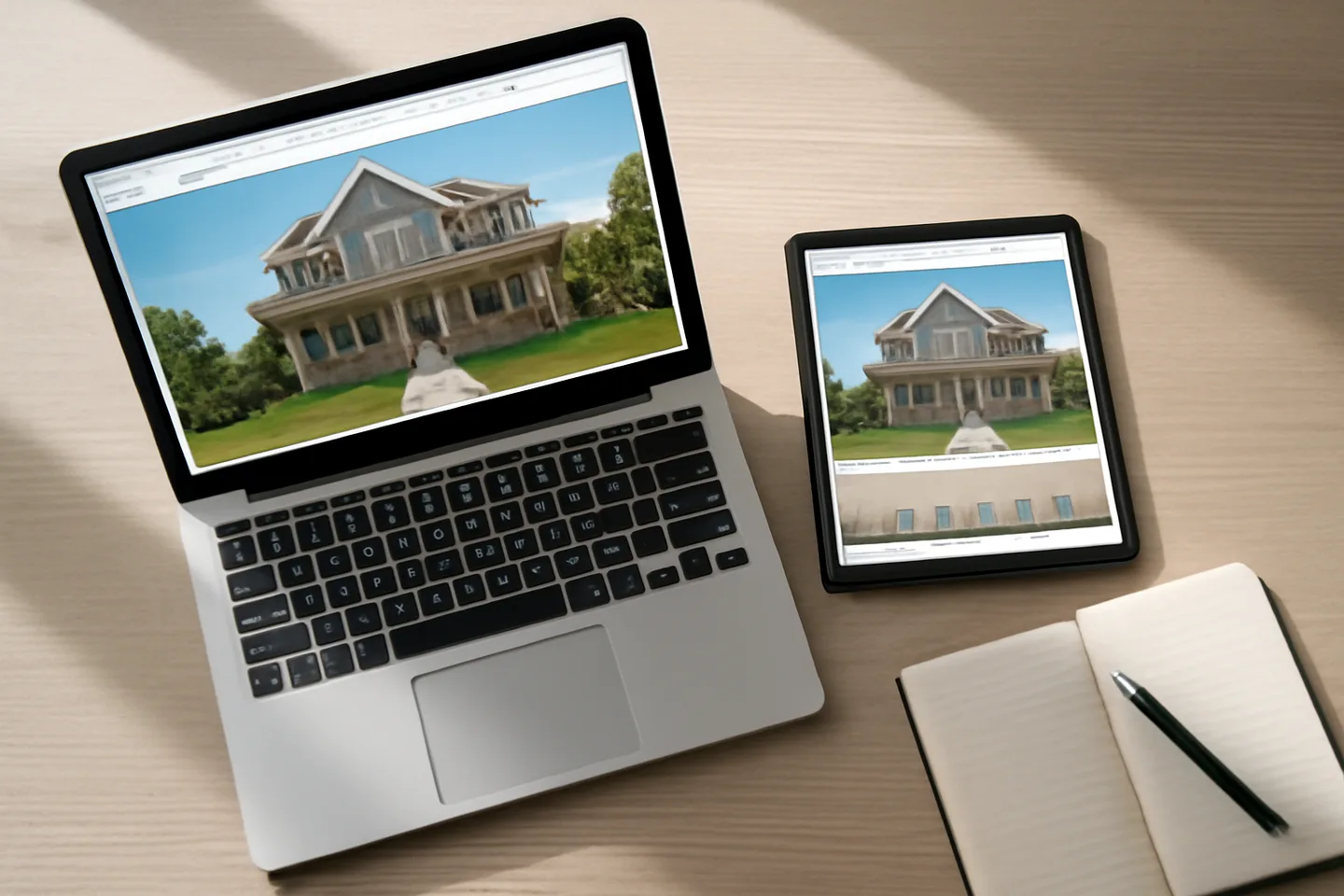
Once you are ready to move forward, a clear process makes the experience far less stressful. Here is how to approach each stage of selling land in Tennessee.
Step 1: Confirm what you own
Before anything else, make sure you have clear title to the property. Pull your deed, check the legal description, and confirm that there are no outstanding liens or ownership disputes. If mineral rights were severed from the surface at some point, note that in your listing. Buyers will ask, and disclosing mineral rights status early prevents confusion later in the transaction.
Step 2: Research comparable sales and set your price
Pricing vacant land is less straightforward than pricing a house. There are no uniform square-footage formulas that work cleanly for rural parcels. Look at recent sales of similar property in your county, considering size, access, zoning, and terrain. County assessment records and online platforms like LandWatch can give you a feel for the market. If you want to sell the property efficiently and at a fair price, spending time on this step pays off.
Step 3: Prepare your listing
Good listings do more than list acreage. They showcase the property's personality. Write detailed descriptions that cover access (paved road, gravel, or easement), utilities (water, electric, septic availability), zoning, soil type if relevant, and any notable natural features. If the land has timber value, mention it. If it sits near a growing town, say so. Buyers want to picture themselves using the land, so help them do that.
Step 4: Choose your platforms
Several online platforms exist to help you buy and sell land, and the right choice depends on your property type and budget. LandWatch is one of the most visited land-specific platforms in the country, and a premium LandWatch listing typically costs $50-100 per month. Land.com and Lands of America (all part of the CoStar Group) expand your reach further. Zillow works well for properties near populated areas. Each platform reaches a somewhat different audience, so listing on two or three simultaneously is a reasonable strategy to connect with more potential buyers.
Step 5: Invest in quality visuals
Photos and video do the heavy lifting online. Walk the property and photograph it from multiple angles. Showcase the entry point, any water features, the tree canopy, and the surrounding landscape. For larger parcels, drone footage gives buyers a perspective that ground-level photos simply cannot provide. If your parcel is in a scenic area, aerial imagery can be a significant advantage.
Step 6: Handle inquiries and negotiations
When buyers reach out, respond promptly. Have your key documents handy, including the deed, survey (if available), and any permits. If you want to sell the property at a specific price, know your minimum before negotiations begin. A buyer who specializes in rural land or works with a company that specializes in purchasing raw acreage may move faster than a retail buyer, though their offer may be lower.
Step 7: Close the transaction
Tennessee requires the deed to be signed, notarized, and recorded with the county Register of Deeds. Most sellers work with a real estate attorney to handle this step, which typically costs $500-1,500 according to general Tennessee closing norms. An attorney can also help you sell through the closing smoothly, making sure all documents are prepared correctly and the title transfers cleanly.
Potential Challenges With Selling Land in TN
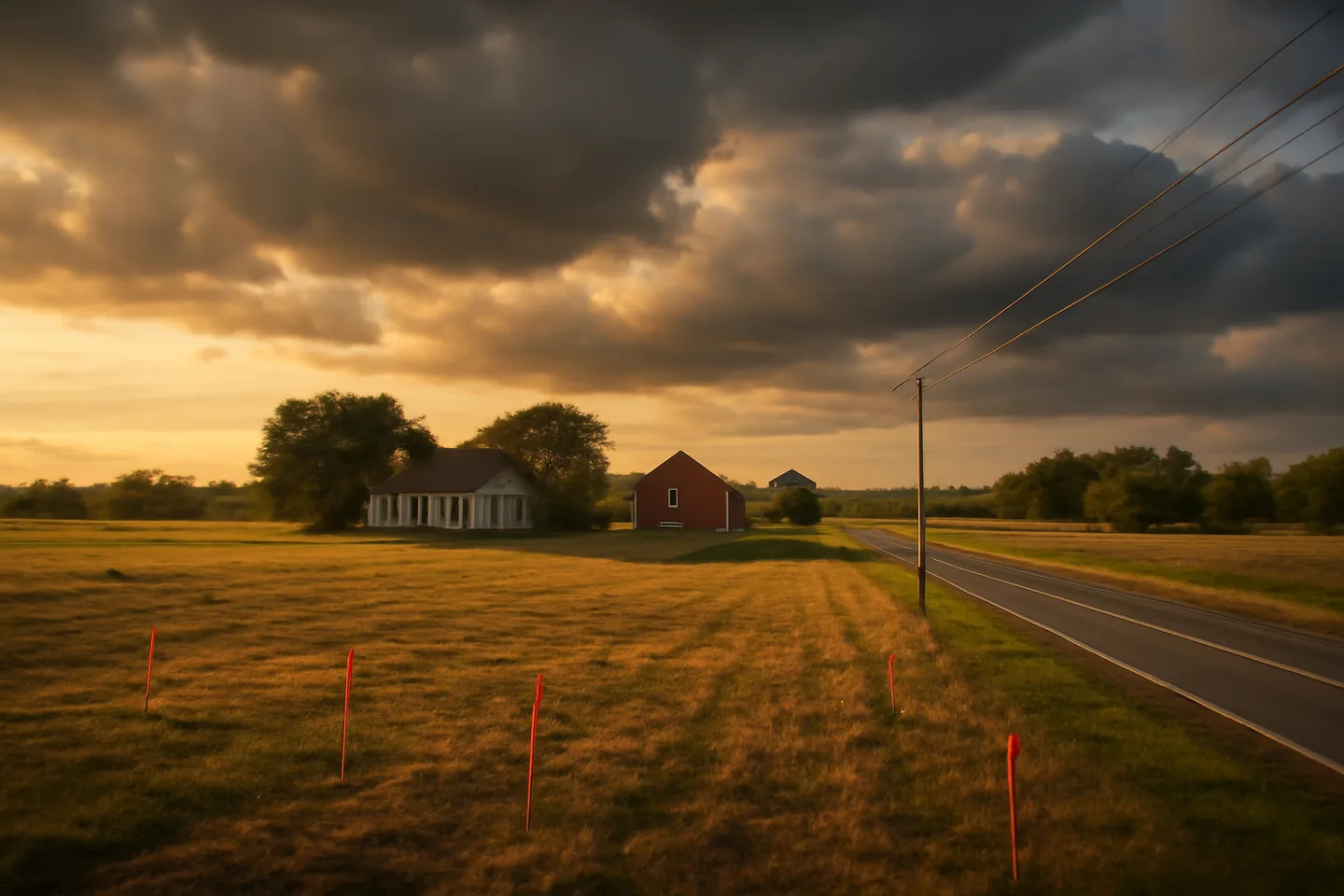
Selling land online in Tennessee comes with real advantages, but it also comes with challenges worth understanding before you start. Being prepared for these hurdles makes the process smoother.
Terrain and access issues
Tennessee's terrain varies dramatically across the state. Mountain terrain in the East can make a parcel beautiful but difficult to develop or access. Hilly terrain elsewhere may limit building sites. Steep or rugged terrain often narrows the buyer pool, since lenders, developers, and even recreational buyers have practical limits on what they can use. A topographic map helps buyers evaluate the land from a distance, so including one in your listing is a smart move. When buyers can see the terrain on a map before visiting, you filter out unsuitable matches early and attract more serious buyers.
Listing fees and platform costs
Not all platforms are free. A premium listing on LandWatch or Land.com involves ongoing monthly costs. If your property takes several months to sell, those listing fees add up. Budget for at least 90 days of listing costs when you decide to sell land online, and evaluate whether a paid platform's audience justifies the expense for your specific type of land.
Disclosure requirements and restrictions
Tennessee does not require formal seller disclosure for vacant land under the Tennessee Residential Property Disclosure Act, which applies only to residential dwellings. However, sellers must disclose known material defects if asked. Any zoning restriction, easement, or access limitation that you are aware of should be shared honestly. Concealing a known restriction creates legal exposure and damages trust if discovered later in the process.
Attracting the right buyers
Generic listings attract generic interest. To attract buyers who are actually qualified and motivated, your listing needs to speak directly to the land's best use. A hunting tract marketed only to developers will underperform. Think about who would most benefit from your parcel, and write your listing with that person in mind. Virtual tours and drone footage can significantly help attract buyers who are located outside the immediate area, since many land buyers today shop remotely before visiting in person.
Negotiations and the closing process
Land sales often involve more back-and-forth than residential transactions. Buyers may want to negotiate on price, closing timeline, or contingencies such as survey results or soil testing. Knowing your bottom line ahead of time helps you navigate these conversations confidently. If you need to negotiate on price, consider what concessions you are willing to make and which ones would make the land's sale unworkable for you.
Working with a company that has extensive experience purchasing Tennessee land can simplify this stage considerably. Rather than managing multiple offers from retail buyers, some sellers prefer the predictability of a direct sale. If you are looking to sell land online and want to skip the drawn-out listing process, a direct buyer is worth exploring. Understanding your options, and what each one costs you, helps you navigate toward the outcome that fits your goals.
Land Sale FAQ for Tennessee Landowners
What is the best site to sell land?
The best platform depends on your property type and location. Land.com, LandWatch, and Lands of America are all owned by CoStar Group and together represent the largest dedicated land marketplace in the country. For properties near urban areas, Zillow reaches a broader residential audience. Facebook Marketplace works well for lower-priced or locally appealing parcels. Many online sellers list on two or three platforms simultaneously to maximize exposure. Pricing your ad correctly for the platform matters too. A premium ad on a land-specific site may outperform a free listing that blends into thousands of others.
Are you thinking about selling your land online?
If you are asking yourself how to sell your land without a realtor, the good news is that it is entirely possible. You will need to handle pricing, photography, and paperwork yourself, but none of those steps require a license. Start by gathering your deed and any survey documents. Then research comparable sales in your county to establish a realistic asking price. Strong photography, including drone shots if the parcel is large or scenic, will make your listing stand out. You can sell your land FSBO and keep more of the proceeds, though it does require more time and effort on your part.
Are you looking to sell your land quickly and easily?
Speed and simplicity usually come from working with a direct buyer rather than listing on the open market. A company that specializes in land purchases can often close in as little as 2 weeks, with minimal paperwork required from the seller. The tradeoff is that direct offers may be below full retail value, since the buyer is taking on the cost and risk of reselling or developing the property. If you're selling because of a life change, an inherited parcel, or simply want to avoid a lengthy listing process, a direct sale may be the right fit. An agent who specializes in land sales is another option if you prefer a guided process with broader market exposure.
How difficult is it to sell land?
Selling vacant land is generally more complex than selling a home. The buyer pool is smaller, financing is harder for buyers to secure, and pricing requires more research since there are fewer direct comparables. Agricultural land, hunting tracts, and development-ready parcels each attract different buyers with different expertise and timelines. Pricing is one of the most common stumbling blocks. Overpriced land sits unsold for months, while underpriced land costs you money. Working with an expert who understands the local market, whether a local agent, an appraiser, or a direct buyer, can save you considerable time. Good drone photography and detailed descriptions also make a measurable difference in how quickly a parcel sells.
Curious about whether you can sell land without utilities or access to a road?
Yes, you can sell your land even without utilities or direct road access, but these factors will affect your pricing and buyer pool. Landlocked parcels require a legal easement for access, and without one, most buyers will pass. If your property lacks an established easement, consulting a real estate attorney before listing is worth the cost. Properties without utilities are not unsellable, many buyers, particularly those purchasing agricultural or recreational land, expect to add their own well, septic, and electric service. Be transparent about what is and is not in place. Honest, detailed listings without using a local agent are still possible, though having professional guidance on pricing and paperwork reduces the risk of costly mistakes.
Ready to Sell Land? Next Steps
Selling land in Tennessee involves more moving parts than most people expect, but none of it is beyond reach with the right preparation. You need to understand your closing costs, including Tennessee's transfer tax of $0.37 per $100 of the sale price and deed recording fees, and you need to zone in on your target buyer before you write a single word of your listing. Think about the zone your property sits in, how it is zoned for future use, and what kind of buyer that zoning will attract.
Once you have those fundamentals in place, the closing process tends to move much more smoothly. A clean title, honest disclosures, and a well-priced listing are the foundation of a successful land sale in Tennessee. Whether you go the FSBO route or work with a direct buyer, being informed puts you in a stronger negotiating position.
If you own land in Knoxville or are considering selling land in Hamilton County, we would be happy to answer your questions and walk you through your options. There is no obligation, just a straightforward conversation about your property and what might work best for your situation. Reach out whenever you are ready.
Need to sell your Tennessee land? We buy land directly from owners for cash, with no fees, no commissions, and we close in as little as 2 weeks.
Loading form...