
How to Sell Land To A Developer Fast in Tennessee
What You Need to Know About Selling Land To A Developer in Tennessee
Selling land to a developer in Tennessee can yield a higher price than a traditional sale, but it involves a more complex process. Developers evaluate land differently than individual buyers. They look at zoning, density potential, infrastructure access, and profitability of the planned project. Understanding how developers think helps you negotiate effectively and avoid common pitfalls.
Tennessee's rapid population growth, particularly around Nashville, Knoxville, and Chattanooga, has created strong demand for development-ready land. If your property is in a growth corridor, a developer may pay a premium for it.
Why Selling Land To A Developer Matters for Tennessee Landowners
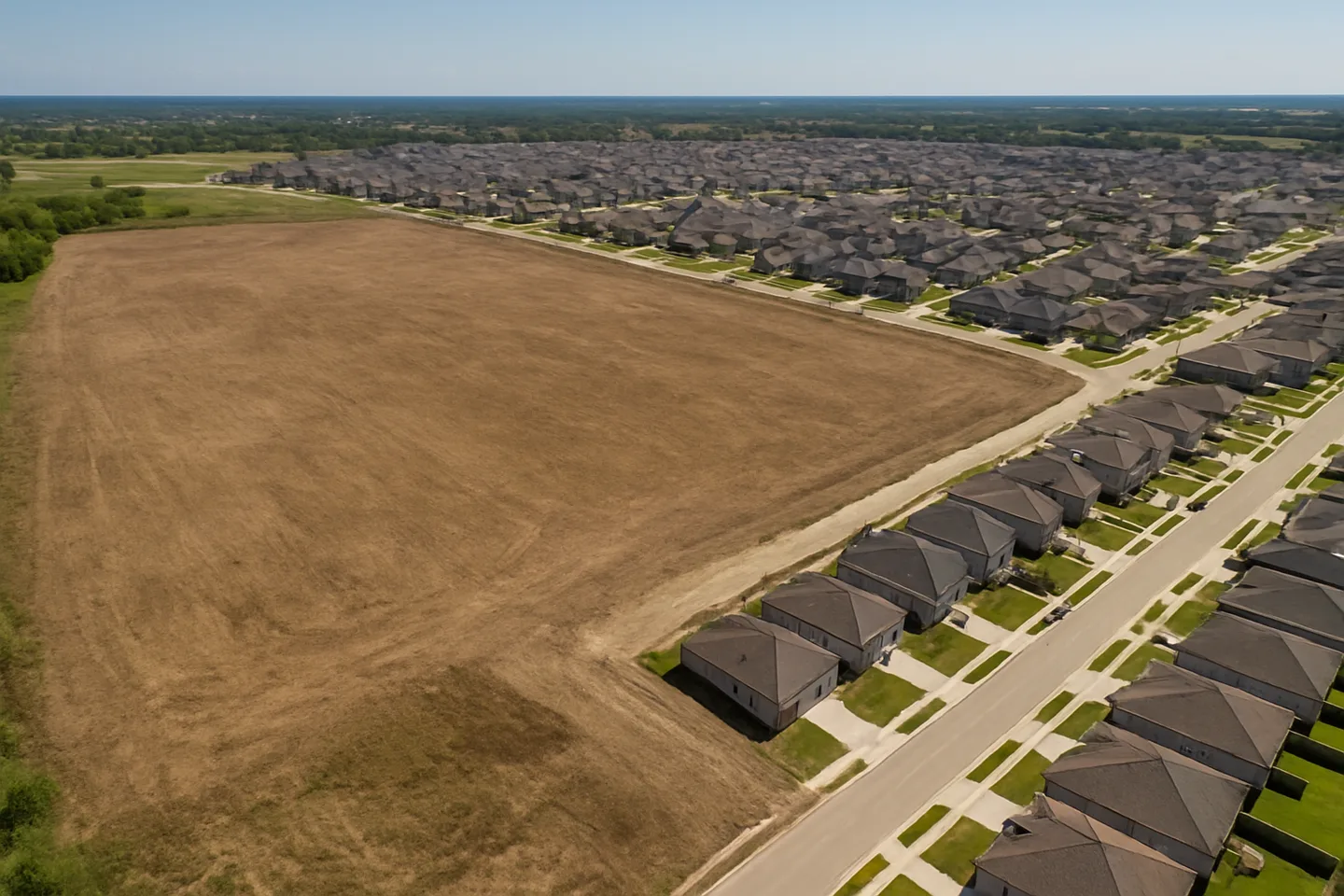
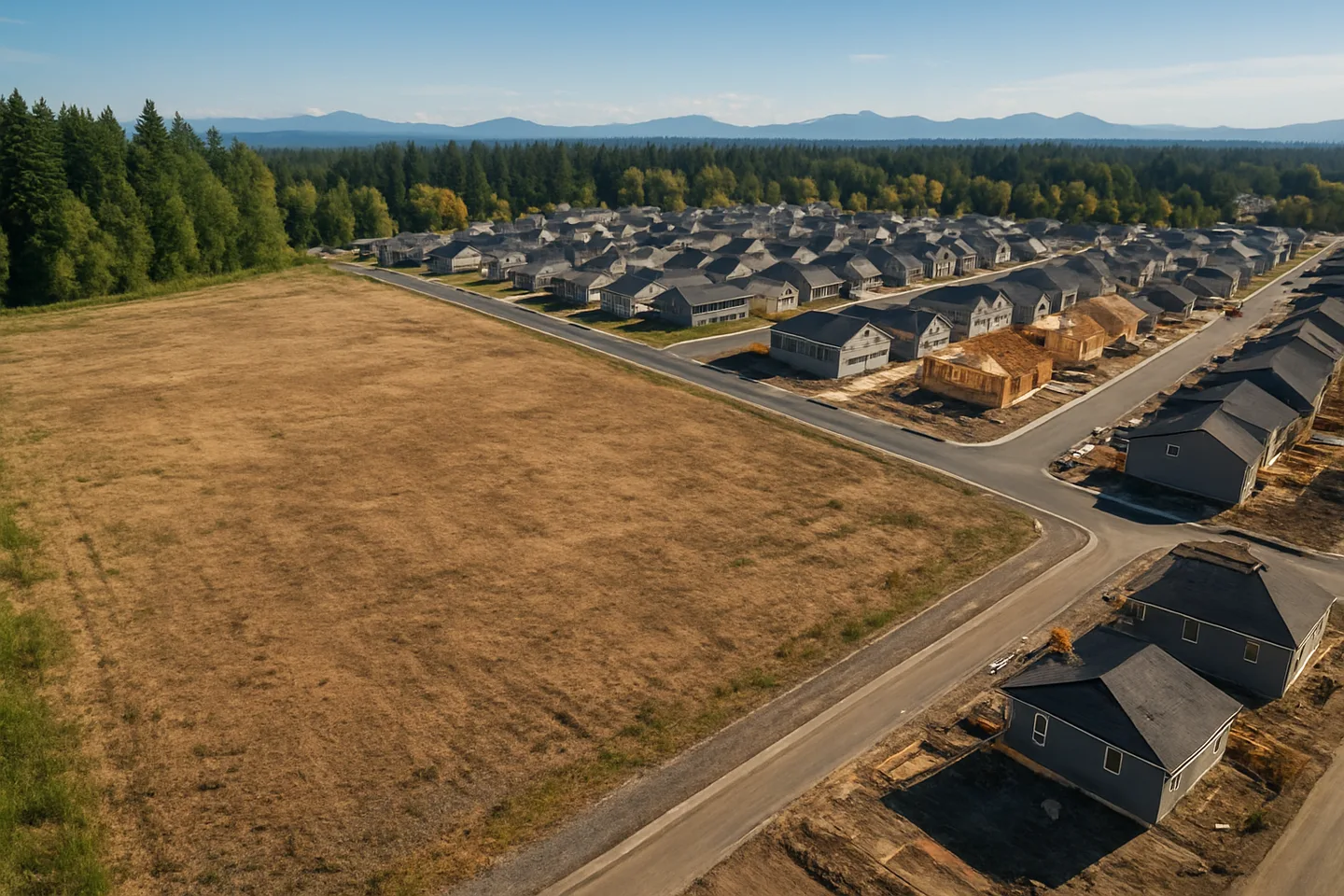
Developers typically pay more for land than individual buyers because they plan to build and sell at a profit. A five-acre parcel that an individual buyer might offer $50,000 for could be worth $80,000 or more to a developer who plans to subdivide it into residential lots.
However, developer transactions take longer and involve more contingencies. A typical developer purchase includes a due diligence period of 60 to 120 days during which the developer investigates zoning, environmental conditions, soil quality, and infrastructure costs. Earnest money deposits usually range from 1% to 5% of the purchase price.
Tennessee zoning decisions are made at the county or municipal level. If your property needs to be rezoned for the developer's intended use, the process requires a formal application, planning commission review, public hearing, and governing body approval. This can take 2 to 6 months with no guarantee of success. If rezoning fails, the developer typically walks away, and you start over.
For landowners in growing areas like Williamson County near Franklin or Rutherford County near Murfreesboro, developer interest is strongest. But even rural parcels may attract developers focused on solar farms, timber operations, or recreational communities.
Step-by-Step: How to Sell Land To A Developer in Tennessee

Step 1: Understand your property's development potential. Research the current zoning classification and what types of development are permitted. Contact your county planning department to understand the comprehensive plan for your area. This tells you what a developer could realistically build on your land.
Step 2: Get your property information organized. Developers will want to see a survey, zoning letter, utility availability, soil reports, flood zone maps, and any environmental assessments. Having these documents ready speeds up the process and demonstrates that you are a serious seller.
Step 3: Find and approach developers. Look for developers active in your county by checking recent building permits, new subdivision plats, and local construction activity. Attend local planning commission meetings to see who is applying for projects. You can also list your property on LoopNet or LandWatch, which developers actively monitor.
Step 4: Evaluate offers carefully. Developer offers often include contingencies for rezoning, environmental review, soil testing, and financing. Read every contingency carefully. A high price with extensive contingencies and a 120-day due diligence period is riskier than a slightly lower cash offer with no contingencies.
Step 5: Negotiate terms beyond price. Timeline, earnest money amount, contingency deadlines, and who pays for surveys and environmental reviews are all negotiable. Developers expect negotiation. Do not accept the first offer without pushing back on terms that favor you.
Step 6: Close through a real estate attorney. Developer transactions are more complex than typical land sales. Tennessee imposes a real estate transfer tax of $0.37 per $100 of the sale price. An attorney experienced in land development deals can protect your interests and ensure the contract terms are enforceable.
Common Complications When Selling Land To A Developer in TN
The most common complication is contingency failure. Developers include escape clauses for rezoning denial, unfavorable environmental findings, or financing issues. If any contingency is not met, the developer can walk away and you lose months of time. Protect yourself by setting firm deadlines on each contingency.
Tennessee subdivision regulations add another layer. If the developer plans to divide the land into multiple lots, the property must go through the platting process, which requires planning commission approval. The Tennessee Code requires a preliminary plat review followed by a final plat that must be recorded with the county.
Environmental concerns can kill deals. Private development on previously undeveloped land may require Phase I Environmental Site Assessments, wetland delineation, and stormwater management plans. If your property has wetlands, endangered species habitat, or contamination from prior uses, these issues must be addressed before development can proceed.
Capital gains tax is a significant consideration when selling to a developer at a premium price. Tennessee has no state income tax on capital gains, but federal long-term rates of 0%, 15%, or 20% apply. A 1031 exchange can defer the tax if you reinvest proceeds into like-kind property within 180 days. Consult a tax advisor before closing.
Common Questions About Selling Land To A Developer in Tennessee
How do I find developers interested in my Tennessee land?
Check recent building permits and subdivision plats filed with your county planning department. Attend planning commission meetings to identify active developers. List your property on LoopNet, LandWatch, or Lands of America. You can also contact local homebuilder associations. Developers actively seek land in growth corridors near Nashville, Knoxville, and Chattanooga.
How long does a developer sale typically take?
From initial offer to closing, expect 3 to 9 months. The due diligence period alone is usually 60 to 120 days. If rezoning is required, add 2 to 6 months. If you need to sell more quickly, a direct cash buyer like Tennessee Land Buyers can close in as little as two weeks without the extended contingency process.
Will a developer pay more than a regular buyer?
Often yes, because developers evaluate land based on its income potential after development. However, the higher price comes with more contingencies and a longer timeline. Weigh the potential premium against the risk that the deal falls through after months of waiting.
What if the developer's rezoning application is denied?
If rezoning is a contingency in the purchase agreement, the developer can typically walk away and reclaim their earnest money. You keep your land but lose the time invested. To mitigate this risk, negotiate a non-refundable deposit or set a firm deadline on the rezoning contingency.
Your Options for Selling Land To A Developer in TN
Selling to a developer can be lucrative, but it requires patience, due diligence, and tolerance for contingencies. If your property is in a growth area with favorable zoning, the developer premium may be worth the wait. If the process feels too uncertain, selling to a direct Davidson County cash buyer or any statewide land buying company provides a faster, simpler path.
Tennessee Land Buyers purchases vacant land across all 95 counties without contingencies, rezoning requirements, or extended timelines. Reach out for a free cash offer and close in as little as two weeks.
Need to sell your Tennessee land? We buy land directly from owners for cash, with no fees, no commissions, and we close in as little as 2 weeks.
Loading form...
Sell Your Tennessee Land for Cash
Ready to sell? We buy land directly from owners across Tennessee. Get a fast, no-obligation cash offer.